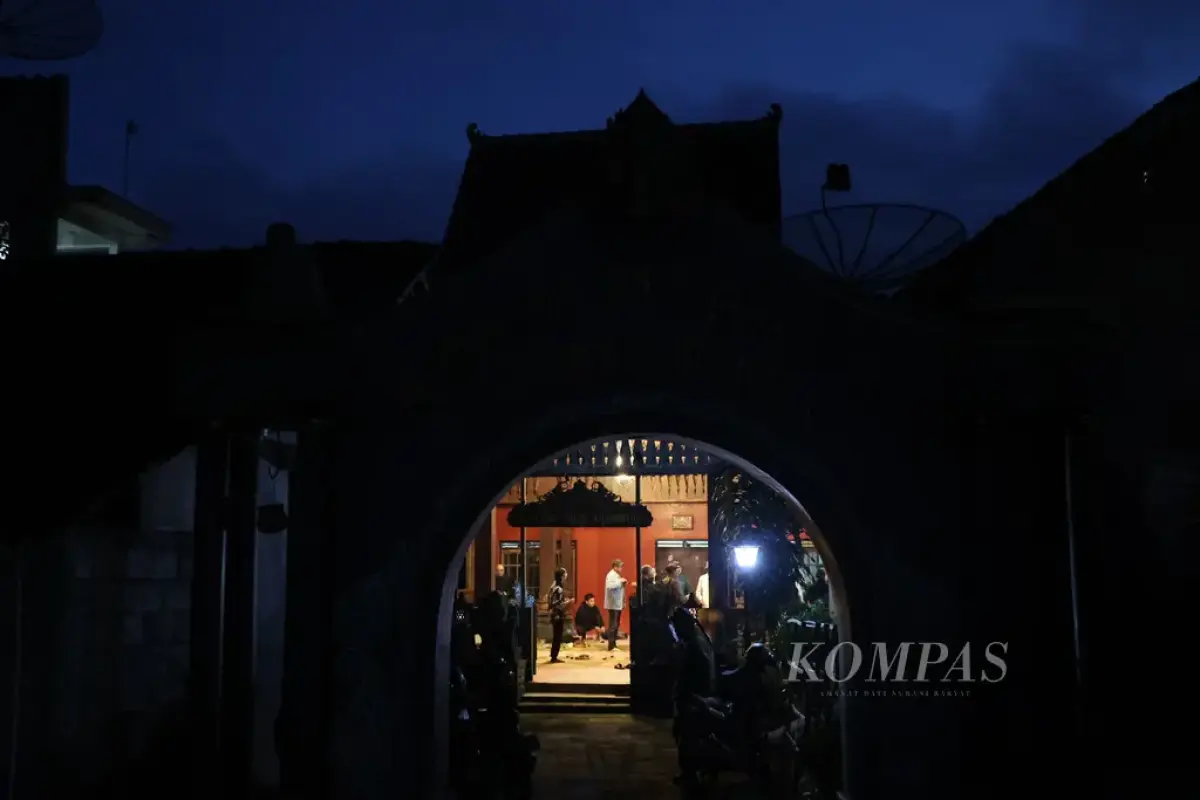
Padepokan Seni Tjipta Boedaja
We are a village-based interdisciplinary arts community at the foothills of Mount Merapi, Central Java, known for our work in the performing arts. Tradition, for us, is not preserved as an object of the past but lived as part of everyday life, while new artistic expressions continue to grow across generations in a spirit of collective care and mutual support.
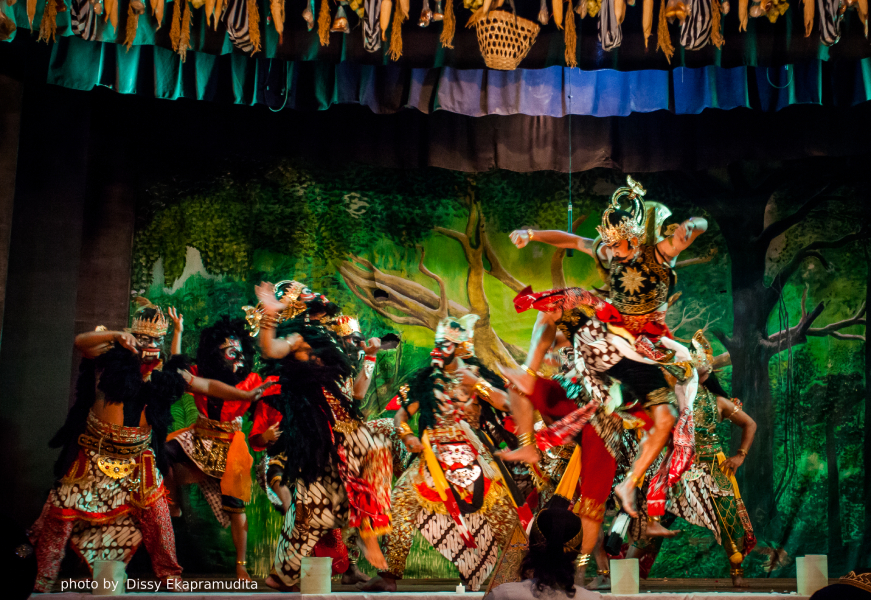
Padepokan Seni Tjipta Boedaja (Tjipta Boedaja Arts Company)
From the beginning, we became widely known through our performances of wayang orang—a dance drama form that once flourished in royal courts and that we now sustain within the context of village life. Alongside this work, we continue to develop Magelang-style folk dances and interconnected artistic practices including music, visual arts, graphic design, architecture, photography, film, costume design, and philosophy. Most of our members remain farmers, relying primarily on agriculture for their livelihood. Living on the slopes of an active volcano, our artistic practice is rooted in rituals of protection and fertility. Over time, our work has grown into a space for celebrating our closeness to nature while also giving voice to the lived experiences of farming communities and marginalized groups.
Founder: Yoso Soedarmo
Dusun Tutup Ngisor, Desa Sumber, Kecamatan Dukun, Kab Magelang, Provinsi Jawa Tengah, 56482
Our Expertise
Wayang Orang
Main specialization in traditional Javanese wayang orang performance art passed down through generations
Magelang Folk Arts
Preserving and developing various folk arts unique to Magelang for future generations
Education & Research
A place for learning and research by academics, students, and scholars from various countries
Our Journey
A long journey preserving culture
1037 - NOW
Padepokan Seni Tjipta Boedaja is rooted in the life of the community of Dusun Tutup Ngisor on the slopes of Mount Merapi. The community grew from a shared belief that human life, nature, and the spiritual world are deeply interconnected, and that the arts can serve as a way to maintain balance among them. In the early years of the hamlet, when the population was still small and life was filled with uncertainty, an idea emerged in 1937 to hold a collective performance as a means of social bonding, shared prayer, gratitude, and a hopeful effort toward a better life.
Romo Yoso Soedarmo, later known as the founder of the community, invited his family and neighbors to create a simple performance as a way of nurturing relationships with both the natural environment and one another. From that moment, artistic practice began to grow as part of everyday life in the village, alongside farming and communal activities. The arts were never treated as a separate profession, but rather as a shared space for prayer, celebration, learning, mutual support, and perhaps most importantly, for finding companionship.
One of the most important moments in the community’s annual cycle is the Suran celebration, marking the beginning of the Javanese calendar year. The rituals and performances during this period are prepared and carried out collectively by residents and the extended community. After the core rituals are completed, the celebration continues with performances by villagers and guests from other regions, turning Tutup Ngisor into a meeting ground for diverse artistic practices.
Over time, Padepokan Seni Tjipta Boedaja has developed into a village-based arts community that remains rooted in agrarian life and a close relationship with the environment, while also remaining open to change. Today, the community holds four annual performances: Suran, Eid al-Fitr, the Prophet Muhammad’s birthday, and Indonesia’s Independence Day. Younger generations learn from their elders, while members of the community continue to engage with wider society. Through these interactions, more artists and scholars from outside the village have become part of the community, and an increasing number of local residents have pursued contemporary artistic practices, some becoming educators and academics. To this day, artistic practice in the padepokan remains part of shared life—a living space, a space for learning, and a space for creation that continues to move across generations.
Our Works
Latest
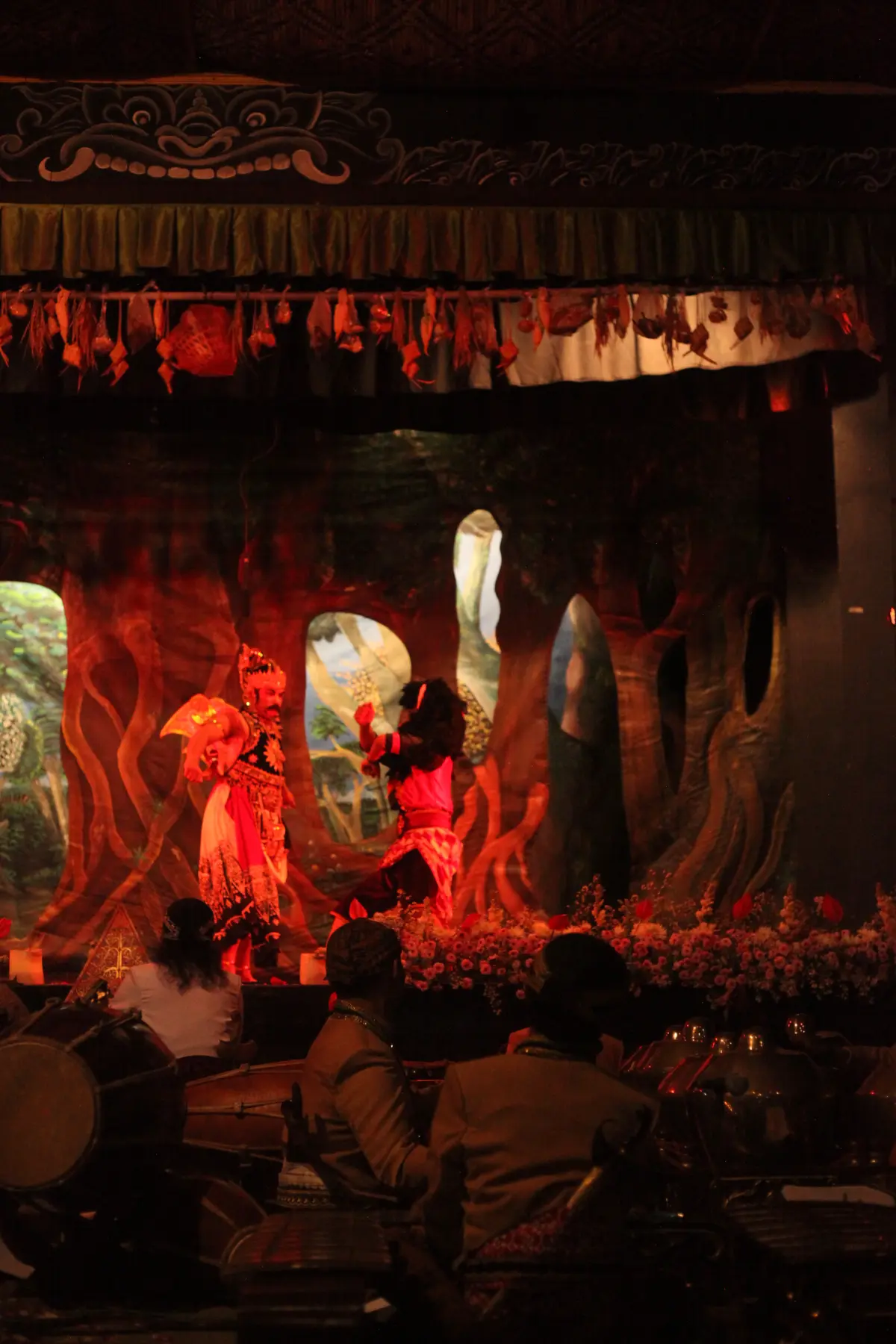
Wayang sakral dokumentation 04
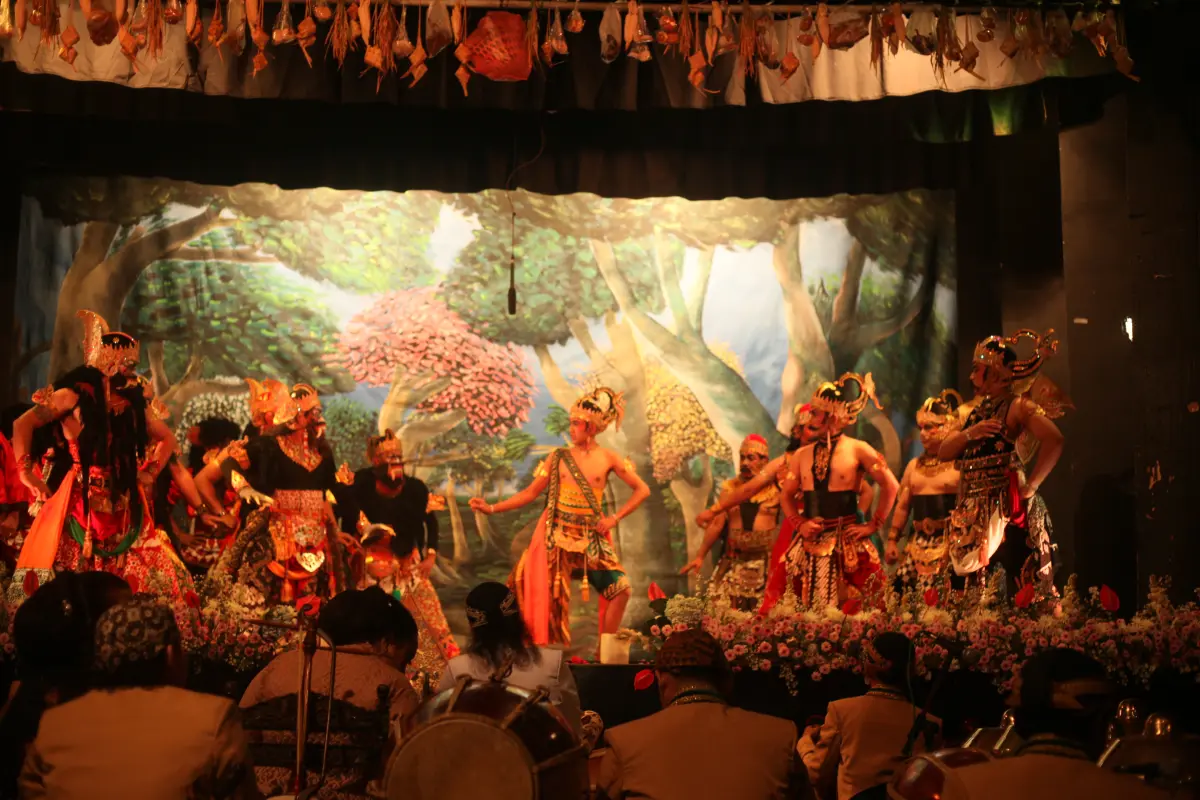
Wayang sakral dokumentation 03
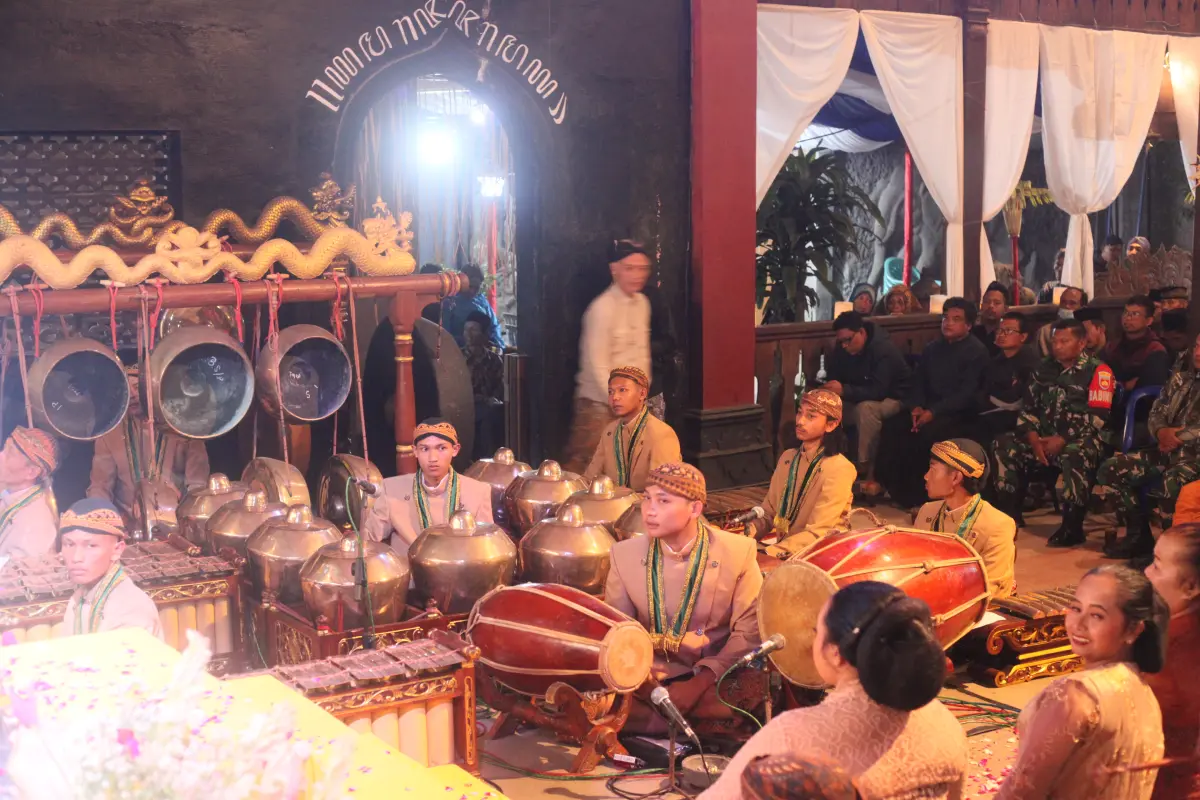
Wayang sakral documentation
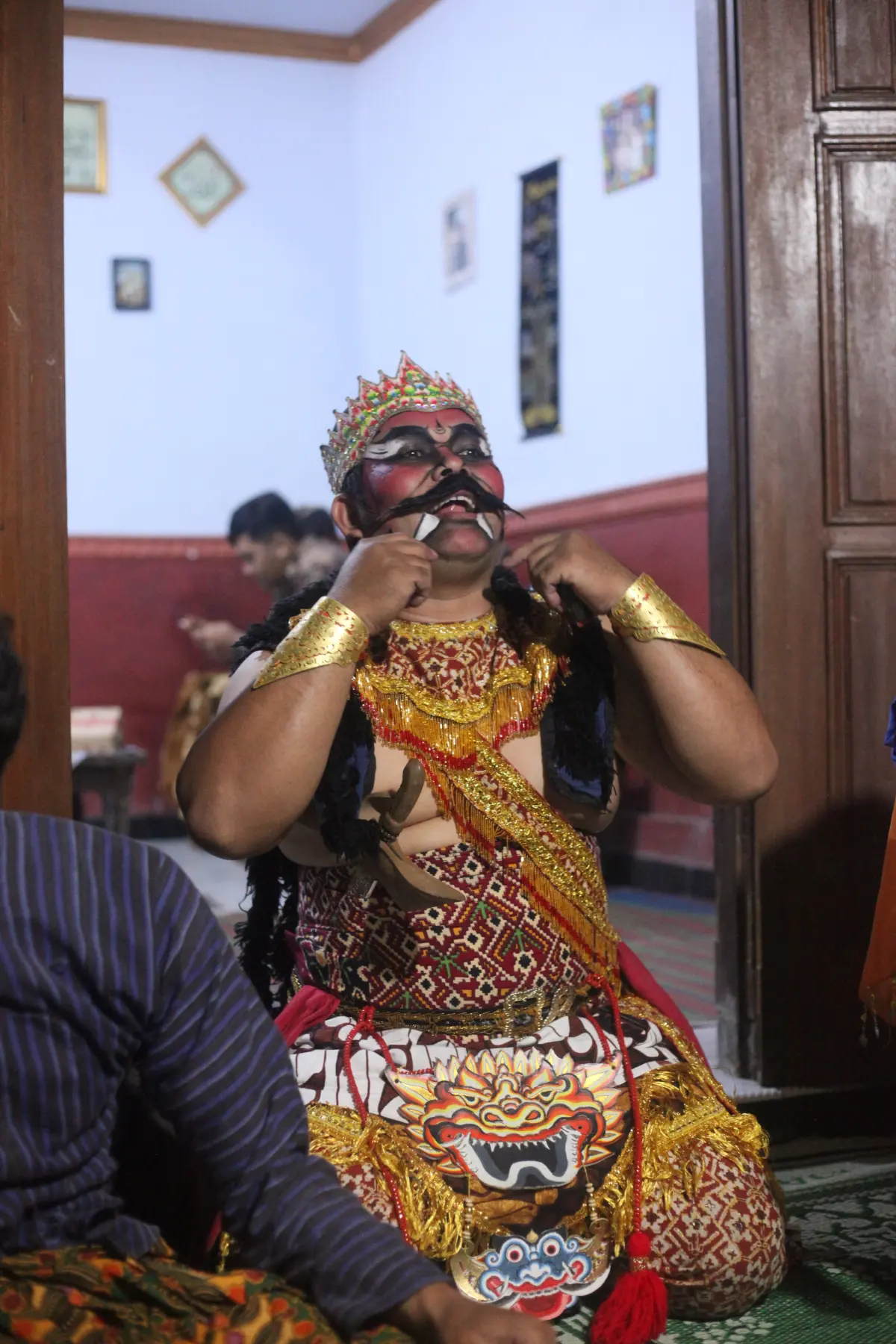
Wayang sakaral dokumentation